Australia and New Zealand's leading student accommodation since 1996
UniLodge Kensington · Sydney
Student accommodation in Sydney
Sydney. Beaches by day, city by night.
Harbourside and home to three of Australia's leading universities, Sydney is one of the top destinations for students in the country. Our homes and university-managed residences sit close to the University of Sydney, UTS, UNSW and Western Sydney University, wrapped in the city's cafés, beaches and world-famous harbour.
University or college
Move-in
Move-out
Weekly budget
Apartments in Sydney
11 properties
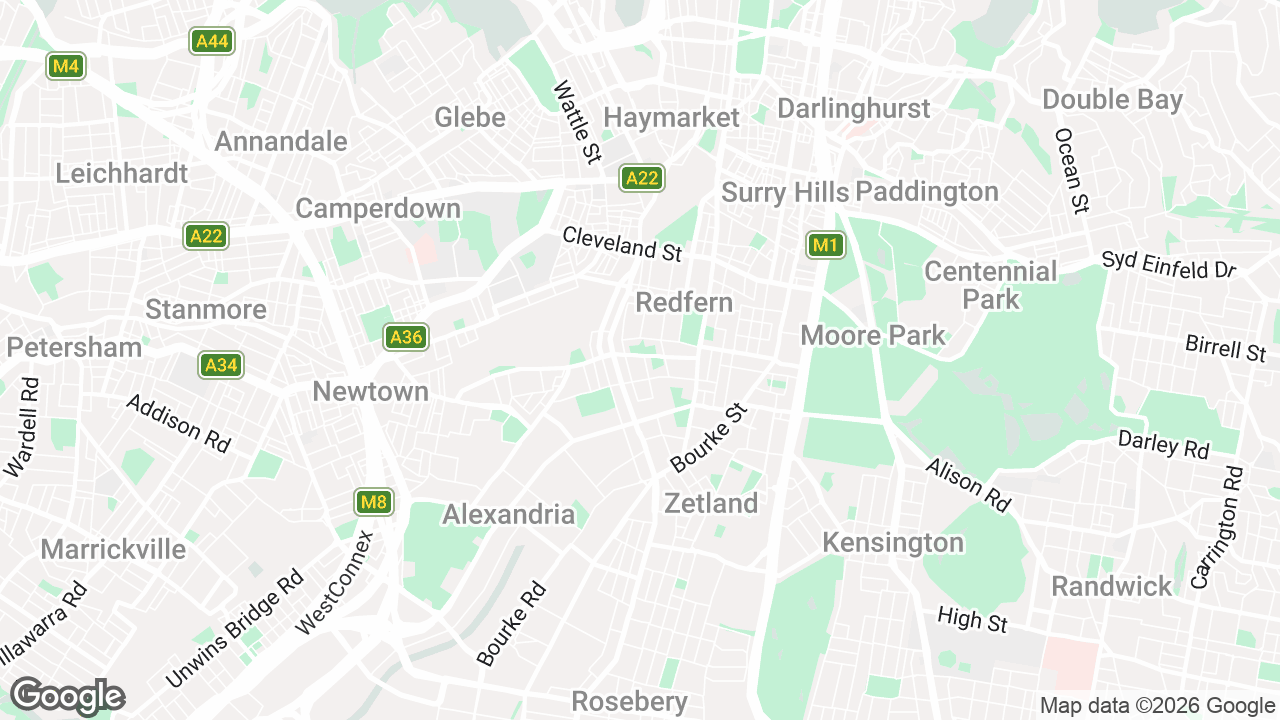
All Sydney properties are pinned. Choose a campus to centre the map on it and draw a search radius.
Pick a campus in the finder above to centre the search radius
University of Sydney - Regiment BuildingStudent accommodation
University of Sydney - Queen MaryStudent accommodation
University of Sydney - Darlington HouseStudent accommodation
University of Sydney - AbercrombieStudent accommodation
Weave Campus - UltimoStudent accommodation
UniLodge KensingtonStudent accommodation
Central Queensland University - CQUniversity - SydneyUniversity
Charles Sturt UniversityUniversity
Southern Cross University - Sydney CampusUniversity
University of Technology Sydney - UTSUniversity
The University of SydneyUniversity
UNSW - University of New South WalesUniversity
Map key Student accommodation Build to Rent Universities Colleges
Browse our properties, near universities & colleges
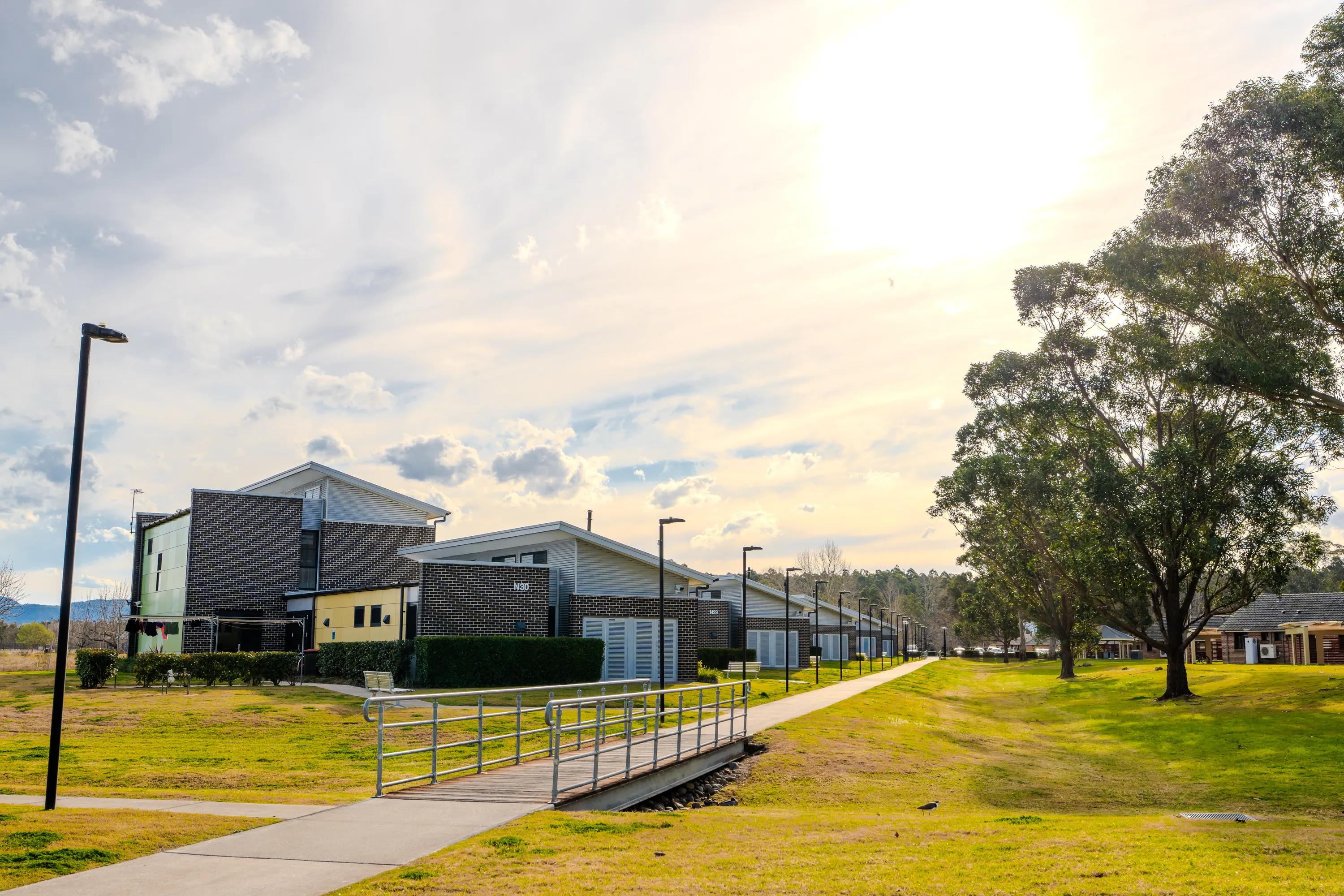
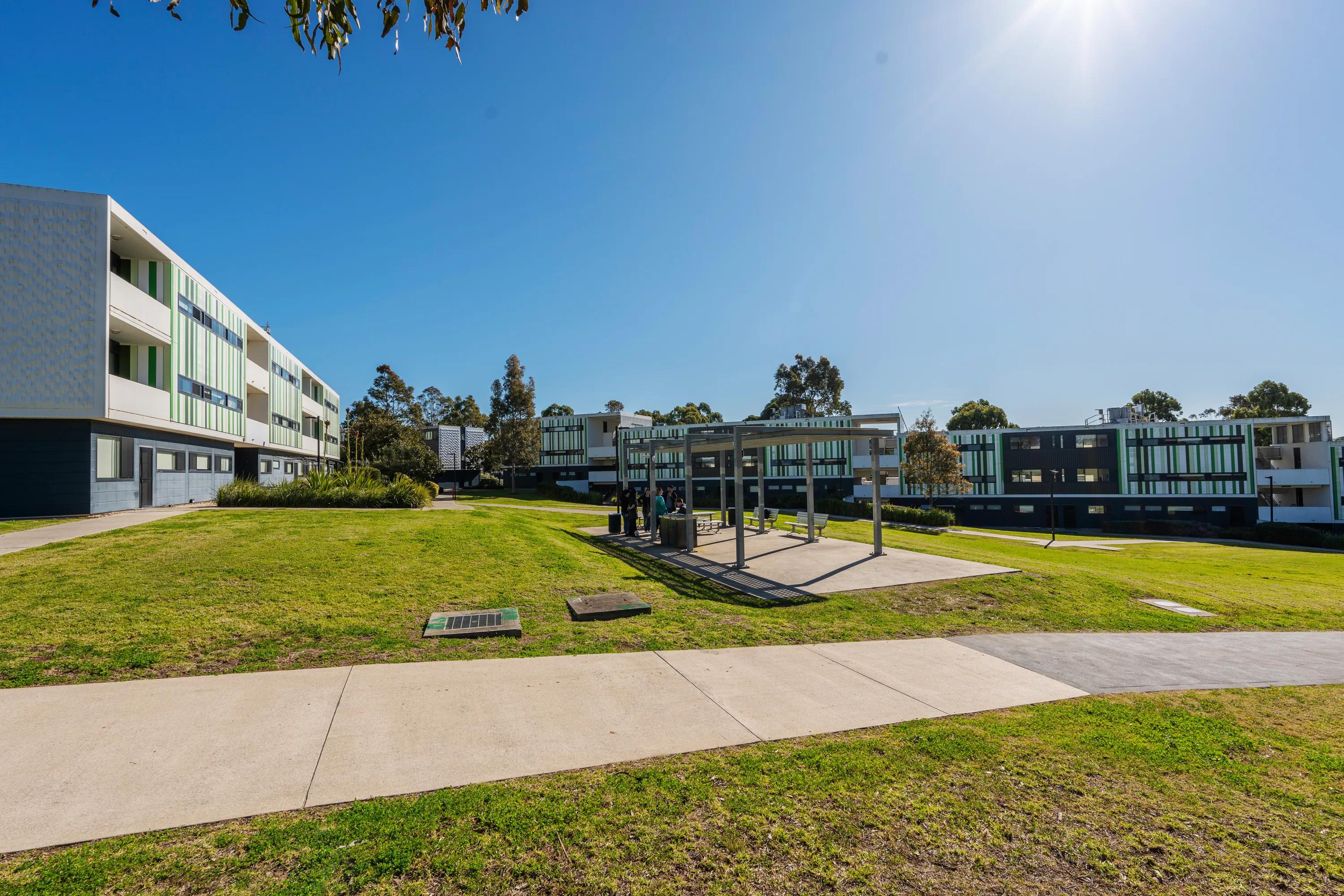
Facilities include: Common Areas · Common Kitchen · Laundry · On-Site Staff · Study Rooms · Bike Storage · Cinema · Gym and Yoga Studio · Music Room · Outdoor Areas · Vending Machines
8 min to Central Queensland University - CQUniversity - Sydney Students & non-students
Sydney
Metro station on your doorstep
Flexible stay periods
Resort-style amenities
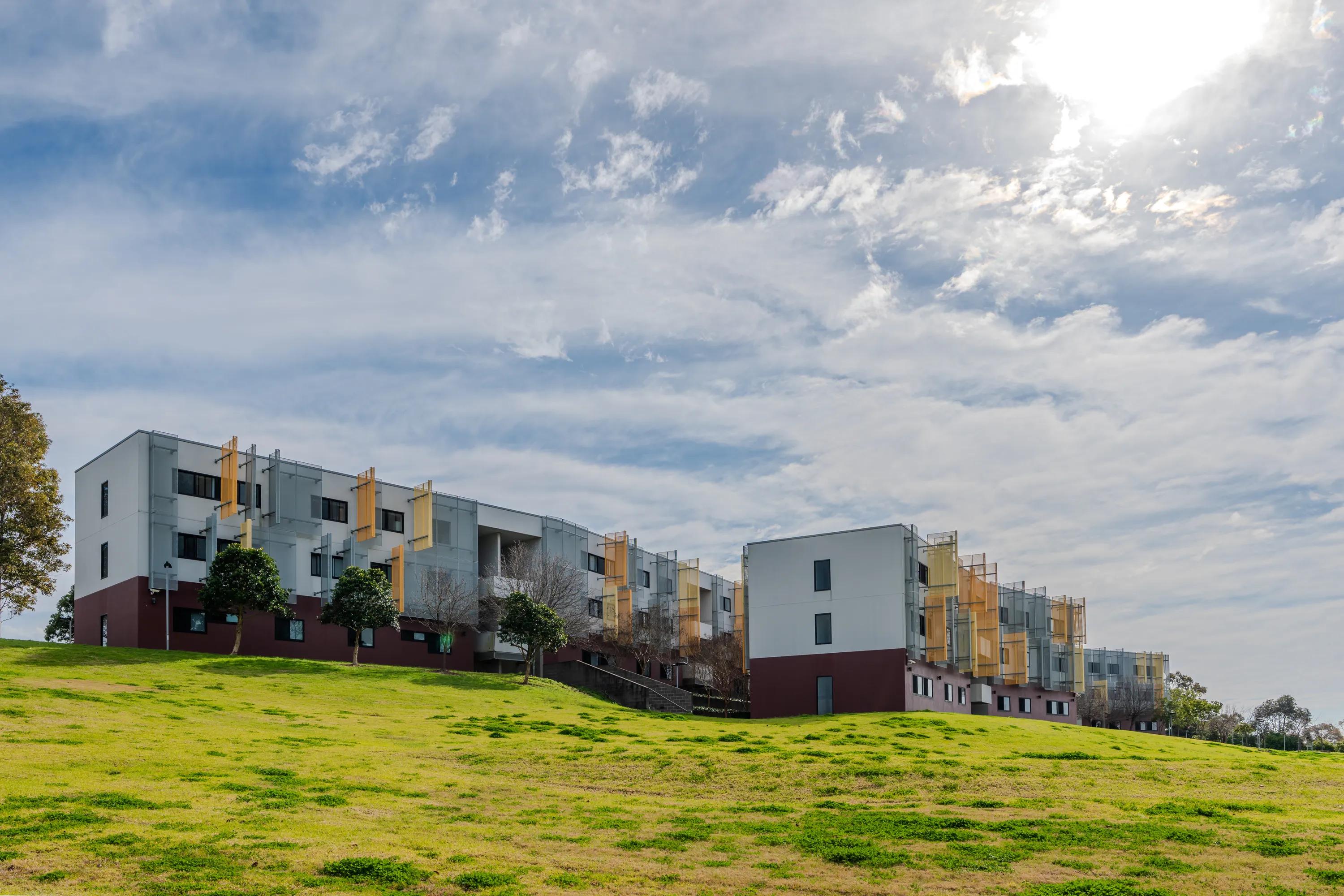
Facilities include: Bike Storage · Dining and communal kitchen · Social Lounges · Gym / Pool · Rooftop Lounge · Study Rooms / Co-working Spaces · Barbeque and Rooftop Dining · Public Transport · Shops, Cafes and Restaurants
If you’re looking for affordable, safe, and comfortable student accommodation in Sydney, UniLodge can help you find your new home. All within walking distance of local cafes and restaurants, and to The University of Sydney campus, you will have everything you need. Whether you want to make new friends in a shared apartment or focus on your studies in a studio, UniLodge helps you make the transition to living in Sydney a breeze.
Our properties are ideally located for students who attend the University of Sydney, UTS, Notre Dame, Taylors College and Sydney TAFE, offering unbeatable access to class, transport, food hubs and nightlife. From the privacy of a self-contained studio, the space of a one-bedroom apartment, the social buzz of a shared apartment or the convenience of being right in the heart of your university hub, every space is purpose-built for student life.
What student accommodation costs in Sydney
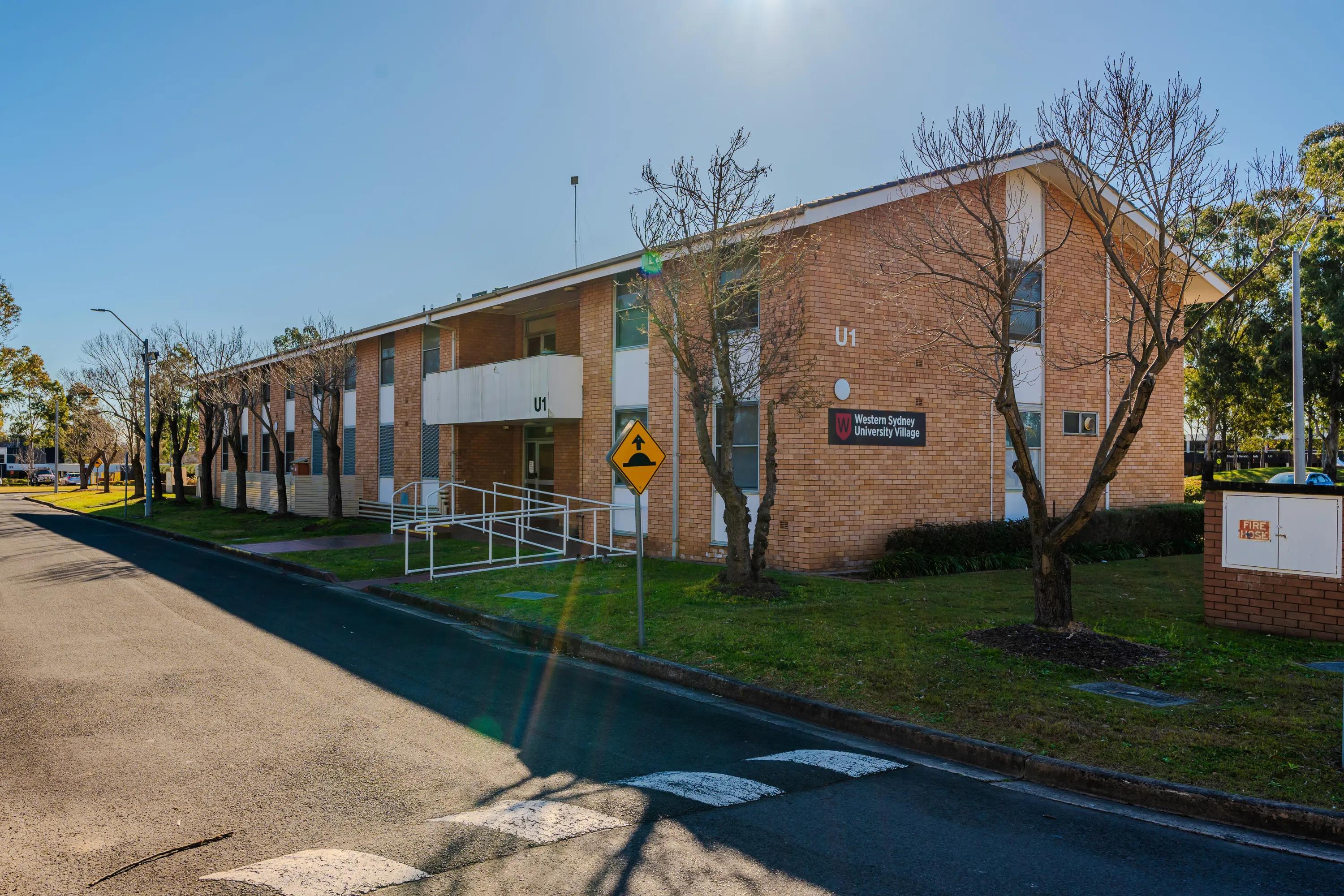
Weekly rents across our Sydney properties start at A$183 (5 Bedroom Townhouse at WSU Penrith Village) and reach A$839 at the top of the range. The prices on the tiles above are the current published weekly rates.
At our purpose-built student properties the weekly rent covers electricity, water and Wi-Fi in one payment, so there are no separate utility accounts to set up or split with housemates.
6 of our 10 Sydney properties publish a weekly price online.
Where you’ll study in Sydney
Our Sydney homes serve The University of Sydney, University of Technology Sydney, UNSW Sydney, Western Sydney University and Macquarie University. Every property page states its real walking or transport time to the campuses nearby, and the finder above sorts the list by distance once you pick an institution.
Top reasons to stay with us
One weekly payment
Simple weekly rent, no surprise add-ons
Dedicated onsite support teams
Real people in the building, every day
Book from overseas
Secure your room before you fly
UniLodge-managed
Verified apartments, no third-party surprises
Good to know about Sydney
Yes. Across UniLodge homes, electricity, water and Wi-Fi are covered by your weekly rent - one payment, no surprises.
Yes. You can apply and secure a room from anywhere and move straight in when you land.
Sydney uses the Australian dollar (AUD). Australian banknotes are $5, $10, $20, $50 and $100, while coins range from 5 cents to $2. Cards and contactless payments are accepted almost everywhere, so you normally only need a small amount of cash.
Sydney Airport has ATMs and currency-exchange services, making it easy to access Australian dollars when you arrive. However, airport exchange rates and fees may be less competitive than those offered by banks or specialist providers in the city. Major banks including Commonwealth Bank, ANZ, Westpac and NAB have ATMs and branches throughout Sydney.
Most major Australian banks allow international students to open an account using identification such as a passport and evidence of Australian study or address. Some student accounts have reduced or no monthly fees. Compare account fees, ATM access, international-transfer costs and mobile-banking features before choosing a bank.
Around AUD 300–500 can be useful for your first few days for small purchases, transport, food and unexpected expenses. You do not normally need to carry large amounts because cards and contactless payments are widely accepted. Keep your cash and cards secure and avoid carrying your entire travel budget with you.
Sydney is one of Australia's more expensive student cities. A practical planning budget can be around AUD 550–750 or more per week for shared accommodation, groceries, transport, phone costs and everyday expenses, although actual costs vary significantly by suburb and lifestyle. Accommodation is usually the largest expense.
Sydney Airport is connected to the city by train through the Airport Link, with Central Station only a short journey away. Taxis, rideshare services and airport buses or shuttles are also available. The airport train is usually the quickest public-transport option, but remember that airport station fees can make the journey more expensive than an ordinary train trip.
Opal is Sydney's public-transport ticketing system for trains, Metro, buses, ferries and light rail. You can use an Opal card or, where supported, a contactless credit or debit card. Always tap on and tap off with the same card or device. Using contactless or Opal generally provides better value than buying single-trip tickets.
Eligible tertiary students can access Concession Opal fares, but eligibility depends on your institution and enrolment status. International students should check whether their education provider and course qualify rather than assuming that all student IDs receive a concession. Carry the required proof of entitlement when travelling.
Sydney fares depend on the distance travelled, transport mode, time of travel and whether you receive a concession. Opal also provides daily, weekly and other travel caps and off-peak discounts. Because fares are periodically adjusted, check the current fare before budgeting for a regular commute rather than relying on an old single-trip estimate.
Trip Planner and the Opal Travel app are useful for checking routes, fares and service information. Google Maps and Apple Maps are also convenient for comparing walking, train, bus, light rail and ferry options. Checking the transport operator's live information is particularly useful during disruptions or major events.
Yes. Contactless Visa, Mastercard and other supported payment methods can be used on much of Sydney's public-transport network. Make sure contactless payments are enabled and use the same physical card or device when tapping on and off. International transaction or foreign-exchange fees from your home bank may still apply.
Cycling can be practical for students who live close to campus or along established cycle routes. Sydney has an expanding network of cycleways, but traffic, hills and longer distances can make some journeys challenging. Australian road rules apply and bicycle helmets are compulsory. Check local rules before using shared bikes or e-bikes.
Coles and Woolworths are convenient nationwide supermarket chains, while ALDI is often useful for lower-cost staples. Sydney also has specialist Asian, Middle Eastern, Indian and other international grocers. Suburbs such as Haymarket and Chatswood are particularly useful for international food and ingredients.
ALDI can be useful for lower-cost everyday groceries, while local fruit and vegetable shops, markets and specialist grocers may offer competitive prices. Paddy's Markets and suburban markets can also be worth comparing. Prices vary, so students can save money by planning meals and comparing unit prices rather than simply choosing the cheapest-looking packet.
Kmart, Big W, Target and IKEA are common options for affordable bedding, kitchen equipment, storage and basic household goods. Buying only essential items initially can save money, particularly if you are moving into furnished accommodation. Second-hand student groups and marketplace listings can also be useful.
Australia Post handles most standard domestic and international mail and parcels. You can use post offices, parcel lockers and other collection services, with tracking available for many services. When sending items overseas, complete customs declarations accurately and keep your tracking information until delivery is confirmed.
Australian mobile services are available from providers including Telstra, Optus and Vodafone, as well as prepaid and reseller brands. You can buy a SIM or eSIM after arrival, and some providers offer student or discounted plans. Compare data allowances, international calls, coverage and contract length before signing up.
Sydney has a generally mild climate with warm to hot summers and relatively mild winters. Summer runs from December to February and winter from June to August. Pack layers because temperatures can change during the day, and bring sunscreen, sunglasses and a hat because Australian UV levels can be high.
Sydney is generally a safe city for international students, but normal urban precautions are important. Keep valuables secure, stay aware when travelling late at night and avoid isolated areas if you are alone. Save your accommodation address and emergency contacts in your phone before going out.
Most students can manage without a car by combining trains, Metro, buses, light rail, ferries, walking and rideshare services. Sydney's size means choosing accommodation close to your campus or a reliable transport route can make a major difference. Car ownership can be expensive once registration, insurance, fuel, maintenance and parking are included.
Popular student activities include visiting Bondi and Coogee beaches, walking around Circular Quay, exploring the Royal Botanic Garden, seeing the Harbour Bridge and Opera House, visiting museums and joining university events. The Blue Mountains and Royal National Park are also popular weekend destinations.
Sydney has many free or inexpensive options including beaches, parks, harbour walks, public gardens, museums and community events. University clubs and societies are another good source of low-cost activities. Check student event calendars before paying for entertainment because many orientation and society events are free or discounted.
Student visa holders can generally work up to 48 hours per fortnight while their course is in session and can generally work unlimited hours during scheduled course breaks. Some research-degree students have different arrangements. Always check your individual visa conditions through the official visa system before accepting work.
SEEK, Indeed, university career services and student job boards are common starting points. Hospitality, retail, administration, tutoring and customer-service roles are popular with students. Prepare an Australian-style resume and be ready to provide evidence of your right to work, a Tax File Number and relevant qualifications where required.
Most international students are required to maintain Overseas Student Health Cover (OSHC) for the duration of their student visa, unless an exemption applies. OSHC can help cover eligible medical services, hospital treatment and some prescription costs, but coverage varies between providers and policies. Check your policy before assuming a service is covered.
For routine health issues, students can visit a GP or medical centre. Some clinics offer bulk-billing for eligible patients, while others charge a consultation fee with an OSHC rebate depending on the policy. For serious or life-threatening emergencies, call 000 or attend an emergency department.
A Tax File Number (TFN) is used by the Australian Taxation Office to identify you for tax purposes. International students who plan to work generally need one. You can apply through the Australian Taxation Office after arriving and should keep your TFN private rather than sharing it unnecessarily.
Many museums, cinemas, cultural attractions, tours and retailers offer student pricing. Carry your university or recognised student ID and ask whether a concession or student rate is available before paying. Some discounts are available only to students enrolled at particular institutions.
Start by checking your university bookstore and required reading list before buying anything. New textbooks can be expensive, so compare online retailers, second-hand student groups, library copies and digital editions. For stationery and basic supplies, Kmart, Officeworks and similar retailers can be useful.
Australia uses Type I electrical plugs and a standard supply of around 230 volts at 50 Hz. Students arriving from countries with different plug designs should bring an Australian travel adapter. Check whether high-powered appliances from home are compatible with Australia's voltage before plugging them in.
Tap water in Sydney is treated and safe to drink for most people. A reusable bottle is useful because filtered water stations and drinking fountains are available in many universities, workplaces and public areas. Bottled water is generally unnecessary for everyday use.
Many student residences and apartment buildings have shared laundry rooms, while laundromats are available in most suburbs. Machines may accept coins, cards or app-based payments depending on the facility. Detergent is easy to buy at supermarkets, and buying a small supply when you arrive is usually cheaper than purchasing individual laundry sachets.
Grocery prices vary by supermarket, suburb, brand and promotions. As a rough planning guide, students may encounter milk around AUD 1.50–3 per litre, bread around AUD 2–4 and a dozen eggs around AUD 5–9, but these figures change frequently. Use supermarket apps and weekly specials to keep costs down.
Sydney is highly multicultural, so students can find halal, vegetarian, vegan and international food across many suburbs. Chinatown and Haymarket are useful for Asian food, while areas such as Lakemba and Cabramatta are well known for diverse Middle Eastern, South-East Asian and other cuisines. University campuses also commonly have affordable international food options.
Your education provider normally issues a student ID after enrolment. The card may be required for campus access, library services, examinations and student discounts. Transport concessions are separate and may require additional eligibility or registration, so do not assume that a university ID automatically provides a public-transport concession.
Call 000 for police, fire or ambulance emergencies in Australia. For non-emergency matters, use the relevant police, health or local service rather than calling 000. Save your accommodation address and emergency contacts in your phone so you can provide your location quickly if needed.
Household waste is managed through council collection systems, with bin colours and accepted materials varying slightly between councils. Yellow-lid bins are commonly used for recycling, red-lid bins for general waste and green-lid bins for garden or food-organic waste where provided. Check your local council's guide before disposing of unfamiliar items.
Bicycles and approved personal mobility devices can be useful for short journeys, but local road and footpath rules apply. Helmets are compulsory for bicycle riders, and electric scooter rules vary by jurisdiction and location. Check the latest NSW rules before buying or bringing an e-scooter.
Sydney's busiest weekday periods are generally around the morning and afternoon commuting peaks. If your timetable allows, travelling outside the busiest periods can mean less crowding and sometimes cheaper fares. Current Opal peak periods should be checked when planning regular travel because fare rules are periodically updated.
Sydney ferries are both practical public transport and a scenic way to see the harbour. You can use Opal or eligible contactless payment methods on the network. Popular trips include Circular Quay to Manly and other harbour destinations. Check service frequency before travelling, especially on weekends and during events.
Affordable clothing is available from Kmart, Target, Uniqlo, H&M, outlet stores and second-hand shops. Suburbs such as Newtown, Glebe and Marrickville can be useful for vintage and thrift shopping. Students can save money by buying versatile basics rather than purchasing a complete wardrobe immediately after arrival.
Rideshare services are widely used in Sydney alongside traditional taxis. They can be convenient late at night, when carrying luggage or when public transport is disrupted. Prices can increase during busy periods, so compare the fare with public transport before booking.
Australia Post offers international parcel and letter services, while private courier companies can be useful for larger or urgent shipments. International parcels generally require accurate customs information describing the contents and value. Keep receipts and tracking numbers until the package reaches its destination.
Australians generally value politeness, personal space, queueing and straightforward communication. Casual clothing is common, although universities and workplaces may have more formal expectations. Being punctual for classes, appointments and work is important, and phrases such as please, thank you and excuse me are commonly used.
Sydney has markets throughout the year, including food, vintage, arts and produce markets. Paddy's Markets and suburban markets can be useful for inexpensive food and shopping, while larger cultural markets provide entertainment as well as products. Check dates before travelling because many markets operate only on particular weekends.
A local SIM or eSIM with sufficient mobile data makes messaging and internet calls easy. Apps such as WhatsApp, FaceTime, Messenger and other internet calling services can reduce international calling costs. Check whether your Australian plan includes international minutes if you regularly call family using normal phone calls.
Sydney is a good base for weekend trips. The Blue Mountains can be reached by train, while beaches and coastal destinations can often be reached using public transport. For longer journeys, domestic flights, coaches and regional trains provide connections to other parts of Australia.
Your university or college international student office should be your first source of support for orientation, enrolment, accommodation guidance and student services. Airport information desks, student societies and community organisations can also help with practical questions. Save your institution's international-student contact details before arrival.



 Build to Rent
 Colleges