Australia and New Zealand's leading student accommodation since 1996
Adelaide
Student accommodation in Adelaide
Adelaide. Easy, friendly, yours.
Compact, green and easy to get around, Adelaide wraps its universities in parklands and puts the Central Market at its heart. Our homes sit close to the University of Adelaide and UniSA in the city centre.
University or college
Move-in
Move-out
Weekly budget
Apartments in Adelaide
11 properties
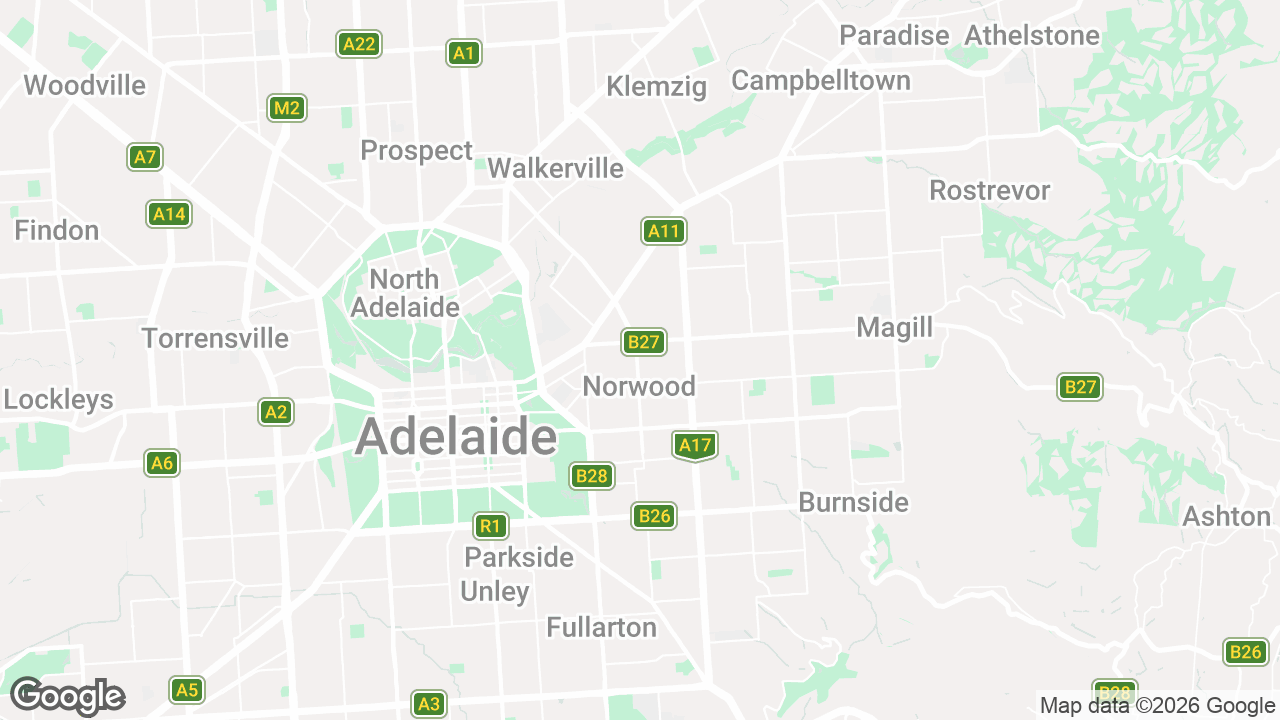
All Adelaide properties are pinned. Choose a campus to centre the map on it and draw a search radius.
Pick a campus in the finder above to centre the search radius
With two campuses in the city centre, the University of South Australia provides excellent learning opportunities in the heart of Adelaide. Located on the corner of North Terrace and Frome Road, the City West campus sits directly adjacent to the University of Adelaide. Just a short distance away, the university’s City West campus can be found on the corner of North Terrace and Morphett Street. With so many university campuses clustered together, this part of the city is always abuzz with activity.
StudentLiving - City West and StudentLiving - East West are both within walking distance of the University of South Australia’s main campuses, as are many of UniLodge’s other centrally located apartments. For students enrolled at the University of South Australia’s Magill campus, UniLodge’s StudentLiving - Magill Hartley and StudentLiving - Magill Campus are both ideally located close to classes.
What student accommodation costs in Adelaide
Weekly rents across our Adelaide properties start at A$275 (Room 1 at StudentLiving - Tobin House) and reach A$1,240 at the top of the range. The prices on the tiles above are the current published weekly rates.
At our purpose-built student properties the weekly rent covers electricity, water and Wi-Fi in one payment, so there are no separate utility accounts to set up or split with housemates.
Where you’ll study in Adelaide
Our Adelaide homes serve The University of Adelaide, University of South Australia, Flinders University and Torrens University Australia. Every property page states its real walking or transport time to the campuses nearby, and the finder above sorts the list by distance once you pick an institution.
Top reasons to stay with us
One weekly payment
Simple weekly rent, no surprise add-ons
Dedicated onsite support teams
Real people in the building, every day
Book from overseas
Secure your room before you fly
UniLodge-managed
Verified apartments, no third-party surprises
Good to know about Adelaide
Weekly rents across our Adelaide properties start at A$275 and reach A$1,240 at current published rates. Each home's tile above shows its own weekly price, and at our purpose-built student properties the rent covers electricity, water and Wi-Fi.
UniLodge Metro Adelaide is a short walk to UniSA City West and the University of Adelaide.
Yes - electricity, water and Wi-Fi are covered by your weekly rent.
Yes. You can apply and secure a room from anywhere before you arrive.
Adelaide uses the Australian dollar (AUD). Australian banknotes are $5, $10, $20, $50 and $100, and coins range from 5 cents to $2. Cards and contactless payments are widely accepted, so carrying a small amount of cash is normally sufficient.
Adelaide Airport is relatively close to the CBD. Public buses, taxis and rideshare services provide connections into the city, with travel times generally shorter than from airports in Sydney or Melbourne. Check the latest Adelaide Metro route information before travelling because services and timetables can change.
Adelaide Metro operates buses, trains and trams across metropolitan Adelaide. A MetroCARD or other current payment option can be used for eligible journeys. The city centre also has free tram travel in the designated area, making it convenient for students who live or study centrally.
Eligible students can access concession fares under South Australian public-transport rules. Check the latest eligibility requirements and ensure your concession is correctly linked to your travel card or payment method. Your university student ID may be required as proof.
Adelaide is often regarded as one of Australia's more affordable capital cities for students. A useful planning range is around AUD 400–600 or more per week, depending mainly on accommodation, food and lifestyle. Sharing accommodation and living near reliable public transport can reduce costs.
Coles, Woolworths and ALDI provide convenient supermarket options, while Adelaide Central Market is particularly useful for fresh produce, meat, specialty food and international ingredients. Comparing market prices with supermarkets can help students build a lower-cost weekly shop.
Major Australian banks offer student and everyday accounts. New students should prepare identification and evidence of study and compare account fees, ATM access, international-transfer charges and savings options. Opening a local account can make rent, bills and wages easier to manage.
Telstra, Optus, Vodafone and other providers offer prepaid, postpaid and eSIM services. You can buy a plan at the airport, in shopping centres or directly from a provider. Compare coverage around your accommodation and campus as well as data and international-calling allowances.
Australia Post operates post offices, parcel lockers and delivery services throughout Adelaide. International students can use tracked domestic and international services and should retain receipts and tracking information. Customs forms must accurately describe the contents of international parcels.
Adelaide has a Mediterranean-style climate with hot, dry summers and relatively mild winters. Summer temperatures can be high and UV levels can be strong, so sunscreen, sunglasses and a hat are important. Winter can be cool, particularly at night, so pack layers.
Adelaide's relatively compact CBD makes walking practical for many students. Buses, trains and trams provide wider metropolitan connections, while cycling can work well on flatter routes. Rideshare and taxis provide alternatives when public transport is unavailable.
Students can explore Adelaide Central Market, the city's parklands, beaches, festivals and cultural venues. Major events such as the Adelaide Fringe and WOMADelaide are popular, while the Adelaide Hills and nearby wine regions provide easy weekend escapes.
Adelaide has extensive parklands surrounding the CBD, providing space for walking, sport, cycling and picnics. Beaches, public gardens, some cultural venues and selected festival events can also be enjoyed at little or no cost. University clubs often provide additional free activities.
Under standard Student visa rules, international students can generally work up to 48 hours per fortnight while their course is in session and generally work unlimited hours during scheduled course breaks. Some research-degree students have different conditions. Check your own visa conditions before working.
Hospitality, retail, events, tourism and customer-service roles are common student jobs. SEEK, Indeed, university career services and local networks can help identify vacancies. Prepare an Australian-style resume and ensure your work arrangements comply with your student-visa conditions.
Most international students need Overseas Student Health Cover (OSHC) for their student visa unless exempt. OSHC policies vary, so check what your insurer covers and how to make a claim. Find a nearby GP before you need one, particularly if you take regular medication.
GPs and medical centres are appropriate for routine health issues, while hospitals provide emergency care. Some clinics may offer bulk-billing or OSHC-related rebates, depending on eligibility and the provider. Call 000 for a life-threatening emergency.
Adelaide is generally regarded as a safe and manageable student city. Standard precautions still apply, particularly when travelling alone late at night. Stay in well-lit areas, keep belongings secure and use established transport options when returning home after social events.
Shared laundry facilities are common in student accommodation, apartments and laundromats. Adelaide uses Australia's Type I plugs and approximately 230V/50Hz electricity. Treated tap water is generally safe to drink, making a reusable bottle a practical choice.
Call 000 for police, fire or ambulance emergencies. For non-emergency health concerns, contact a GP or healthcare service. Keep your accommodation address and important contact details stored on your phone.
Rundle Mall is Adelaide's main central shopping precinct and has major retailers, department stores and fashion chains. Kmart, Big W and Target are useful for lower-cost household goods and clothing, while outlet and second-hand stores can offer further savings.
Popular destinations include the Adelaide Hills, Barossa Valley, McLaren Vale, the Fleurieu Peninsula and nearby beaches. Kangaroo Island is a longer trip and usually requires more planning. Wine-region tours can be convenient for students without a car.
Adelaide offers a smaller and more manageable capital-city environment than Sydney or Melbourne. Many students appreciate the shorter distances, parklands, cultural festivals and community atmosphere. The city still offers a broad range of restaurants, nightlife and university activities.
Use the city's free or discounted transport options where appropriate, shop at ALDI and Adelaide Central Market, cook at home and use student discounts. The compact CBD can also reduce transport costs because many destinations are walkable.
Adelaide Metro's official information and journey-planning tools are useful for checking routes and service updates. Google Maps and Apple Maps can also help compare walking and public-transport options. Check official service information during public holidays or disruptions.
Adelaide's public transport can be busy during weekday commuter periods, although congestion is generally less intense than in Sydney or Melbourne. Students can often avoid the busiest periods by adjusting class or work schedules slightly.
Rundle Mall and major shopping centres have mainstream clothing chains, while outlets and second-hand stores can provide cheaper alternatives. Students can also look for end-of-season sales and university marketplace groups for good-quality second-hand clothing.
A Tax File Number is used by the Australian Taxation Office for tax and employment purposes. Students who work in Australia generally need one. Apply through the ATO and keep your TFN private once it has been issued.
Adelaide has many relatively flat areas and a growing network of cycling routes, making cycling practical for students in suitable suburbs. Helmets are compulsory and cyclists must follow South Australian road rules. Check whether your accommodation and university provide secure bike storage.
The CBD, Hindley Street and surrounding precincts offer bars, restaurants and entertainment venues. Suburban areas also have pubs and smaller venues. Plan your journey home before going out and check late-night public transport availability.
University bookstores, online retailers and second-hand student groups are good places to look for textbooks. Check the library for required readings before buying. Office and discount retailers can provide stationery and other study essentials at lower prices.
Adelaide Central Market is one of the city's most useful destinations for fresh food and international ingredients. Students can compare prices across stalls and find products that may be more expensive in supermarkets. It is also a popular social and cultural destination.
Sun protection is especially important during Adelaide's hot summer months, when UV levels can be very high. Use sunscreen, wear sunglasses and a hat and seek shade during strong sunlight. Do not judge UV exposure solely by temperature because UV can remain high on cooler days.
Students can choose from prepaid and postpaid plans offered by major carriers and smaller providers. Compare coverage, data, international calls and contract conditions. Prepaid plans are useful for students who want flexibility while they settle into the city.
Public holidays can change Adelaide Metro timetables and opening hours. Check transport information before travelling and plan grocery shopping or appointments in advance. Universities may also operate reduced services on public holidays.
Adelaide is a useful base for exploring South Australia, with wine regions, beaches, hills and regional towns within reach. Regional buses, tours, rental cars and organised day trips provide different options depending on the destination.
The Barossa Valley, McLaren Vale and Adelaide Hills are popular wine regions near Adelaide. Students without a car can consider organised day tours or public transport combined with local transfers. Plan carefully if alcohol is involved and use a designated driver or organised transport rather than driving after drinking.
The parklands surrounding the CBD are useful for walking, jogging, cycling, sport, picnics and relaxing outdoors. They provide a free way to enjoy the city and can be particularly convenient for students living or studying near the centre.
Adelaide has a growing multicultural food scene with Asian, Indian, Middle Eastern, European and other cuisines. Central Market and suburban shopping precincts are particularly useful for international ingredients. Students can also find halal, vegetarian and vegan options in many areas.
University international offices are the best first point of contact for orientation, accommodation guidance, enrolment and student support. Student societies and community organisations can also help newcomers make friends and learn about local services.
Adelaide's relatively compact size can make commuting more manageable than in larger Australian cities. Students can save time by living close to campus or public transport and planning work shifts around classes. Always keep academic attendance and visa requirements as the priority.
Adelaide combines relatively manageable living costs, a compact city centre, universities, cultural festivals, beaches, parklands and easy access to wine regions. It can suit students who want a less hectic capital-city environment while still having access to major Australian cultural and educational opportunities.




 Colleges