Australia and New Zealand's leading student accommodation since 1996
Student accommodation in Brisbane
Brisbane. Sunshine and river life.
Warm, walkable and built around the river, Brisbane is one of the friendliest cities in the country to be a student. Our homes sit close to QUT, UQ and Griffith, with the South Bank parklands, the busway and the CBD all within easy reach.
University or college
Move-in
Move-out
Weekly budget
Apartments in Brisbane
16 properties
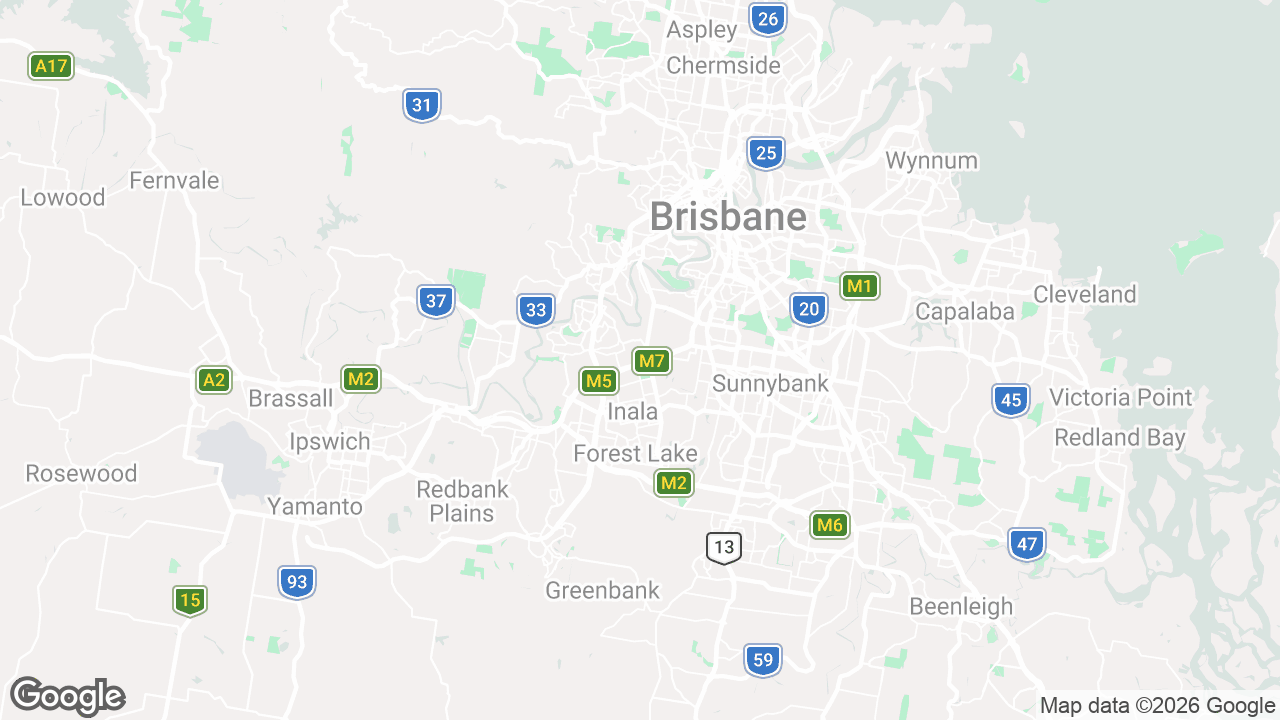
All Brisbane properties are pinned. Choose a campus to centre the map on it and draw a search radius.
Pick a campus in the finder above to centre the search radius
Book your Semester 1, 2027 accommodation and save! Get 2 weeks rent free on Full/Academic Year bookings, 1 week on Half Year bookings, or $100 laundry credit on Semester Only bookings.*
Refer a friend to UniLodge Toowong and you'll both be rewarded! Receive up to $200 each in gift cards when your friend books an eligible lease, checks in and meets the offer requirements.*
Set in the riverside suburb of Saint Lucia, the University of Queensland (or UQ, as it’s more commonly known), is one of Brisbane’s most distinguished universities. Featuring grand sandstone buildings and cutting-edge science facilities, the university is surrounded by a bustling student neighbourhood. Calling Saint Lucia home will give you the chance to live close to UQ, the city centre and the scenic Brisbane River.
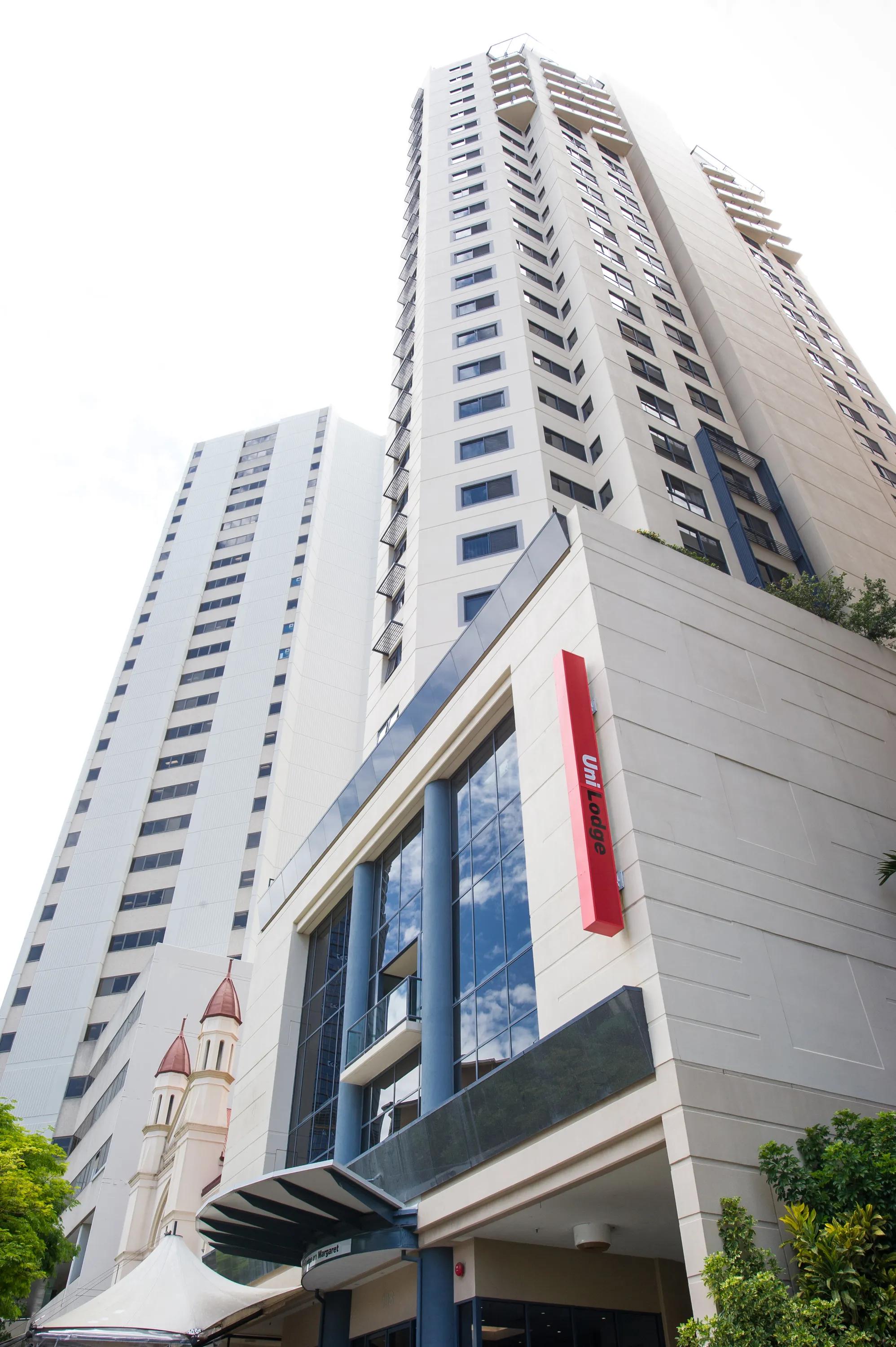
QUT has two sprawling campuses – one in the heart of the city and another in the suburb of Kelvin Grove. No matter which campus you’re enrolled at, both locations are appealing to students. The Gardens Point campus is directly adjacent to the City Botanic Gardens in Brisbane’s CBD. It hosts the Gardens Cultural Precinct, which includes the Gardens Theatre and QUT Art Museum. Situated just 200m away, StudentLiving - on Margaret is the closest UniLodge student apartment to the Gardens Point Campus. UniLodge Park Central in Woolloongabba is a short bus ride away, as is StudentLiving - Shafston.
What student accommodation costs in Brisbane
Weekly rents across our Brisbane properties start at A$199 (2 Bed Bunk Standard at UniLodge Herston) and reach A$960 at the top of the range. The prices on the tiles above are the current published weekly rates.
At our purpose-built student properties the weekly rent covers electricity, water and Wi-Fi in one payment, so there are no separate utility accounts to set up or split with housemates.
14 of our 16 Brisbane properties publish a weekly price online.
Where you’ll study in Brisbane
Our Brisbane homes serve Queensland University of Technology, The University of Queensland and Griffith University. Every property page states its real walking or transport time to the campuses nearby, and the finder above sorts the list by distance once you pick an institution.
Top reasons to stay with us
One weekly payment
Simple weekly rent, no surprise add-ons
Dedicated onsite support teams
Real people in the building, every day
Book from overseas
Secure your room before you fly
UniLodge-managed
Verified apartments, no third-party surprises
Good to know about Brisbane
Weekly rents across our Brisbane properties start at A$199 and reach A$960 at current published rates. Each home's tile above shows its own weekly price, and at our purpose-built student properties the rent covers electricity, water and Wi-Fi.
Our Brisbane homes are close to QUT Gardens Point, Griffith South Bank and the busway to The University of Queensland at St Lucia.
Yes. Across our Brisbane properties, electricity, water and Wi-Fi are covered by your weekly rent - one payment, no surprises.
Yes. You can apply and secure a room from anywhere; most international students book before they fly and move straight in when they land.
Brisbane uses the Australian dollar (AUD). Australian notes are $5, $10, $20, $50 and $100, while coins range from 5 cents to $2. Cards and contactless payments are widely accepted, so only a small amount of cash is normally necessary.
The Airtrain provides a direct rail connection between Brisbane Airport and central Brisbane. Taxis and rideshare services are also available. Airtrain is particularly convenient for students staying near the CBD or a connected station, while rideshare can be useful when travelling with several bags.
The Translink network covers buses, trains, ferries and other public transport services across Brisbane and South East Queensland. A go card can be used across the network, while current contactless payment options may also be available on eligible services. Check the latest Translink payment rules before travelling regularly.
Eligible full-time students may qualify for concession fares under Queensland's public-transport rules. Eligibility and required proof can vary, so international students should check their current status before applying. Your university student ID may be required as part of the eligibility process.
Brisbane can be somewhat more affordable than Sydney or Melbourne, although housing costs vary significantly by suburb. A useful planning range is around AUD 450–650 or more per week for shared accommodation, food, transport and everyday expenses. Your actual budget will depend heavily on rent and lifestyle.
Coles, Woolworths and ALDI are the main supermarket options, while local markets and independent stores can provide alternatives. West End and South Brisbane are useful areas for international food, while larger shopping centres provide one-stop grocery and household shopping.
Major Australian banks offer accounts for students and new arrivals. You will generally need identification and evidence of study or Australian details. Compare account fees, ATM access, international-transfer charges and savings features before choosing a provider.
Telstra, Optus, Vodafone and other providers offer prepaid, postpaid and eSIM options. You can purchase a plan at the airport, a shopping centre or a provider store. Compare network coverage around your campus and accommodation as well as the amount of mobile data included.
Australia Post operates post offices, parcel lockers and delivery services throughout Brisbane. Tracking is available for many domestic and international services. Students sending items overseas should check prohibited items and complete customs declarations accurately.
Brisbane has a subtropical climate with warm to hot summers, humid periods and mild winters. Sun protection is important throughout the year because UV levels can be high. Lightweight clothing is useful for much of the year, while a light jacket can help during winter evenings and cooler indoor spaces.
Students can use buses, trains, ferries, walking and cycling, with rideshare available when public transport is inconvenient. The Brisbane River is an important part of the transport network, and CityCat ferries can be useful for both commuting and sightseeing.
Popular activities include South Bank, the City Botanic Gardens, river walks, museums, markets and views around the Story Bridge. Brisbane is also a convenient base for trips to the Gold Coast, Sunshine Coast, Moreton Island and surrounding hinterland areas.
Students can explore South Bank, parks, riverfront walking routes, public gardens and many outdoor events without spending much. University clubs and community events also provide low-cost social opportunities. Brisbane's climate makes outdoor activities practical for much of the year.
The standard Student visa generally allows up to 48 hours of work per fortnight while the course is in session, with generally unlimited work during scheduled course breaks. Some higher-degree research students have different rules. Always check your individual visa conditions before starting work.
Hospitality, retail, tourism and customer-service roles are common options for students. SEEK, Indeed, university career services and local recruitment agencies can help with vacancies. Prepare a concise resume and be ready to provide evidence of your work rights and Tax File Number.
Most international students need Overseas Student Health Cover (OSHC) as part of their student-visa arrangements unless exempt. OSHC can cover eligible medical and hospital expenses, but benefits vary by provider. Learn how to make a claim and find participating doctors before you need healthcare.
GPs and medical centres are suitable for routine health issues, while hospitals provide emergency treatment. Some clinics may offer bulk-billing or OSHC-related services, but fees and rebates vary. Call 000 for a life-threatening emergency.
Brisbane generally has a relaxed and student-friendly atmosphere, but normal precautions are still important. Keep valuables secure, take care when travelling alone at night and be particularly cautious around waterways and during outdoor activities. Follow local signs and staff instructions at transport hubs and venues.
Shared laundry rooms are common in student residences and apartment buildings, and laundromats are widely available. Brisbane uses Australia's standard Type I electrical plugs and approximately 230V/50Hz electricity. Tap water is treated and safe to drink for most people.
Call 000 for police, fire or ambulance emergencies. For non-urgent medical problems, contact a GP or healthcare service. Save your accommodation address and emergency contacts in your phone so you can quickly provide your location if necessary.
West End, South Brisbane and other inner suburbs offer diverse food and market experiences. Brisbane has strong Asian, Pacific, Middle Eastern and international food options. Markets can also be a good place to find inexpensive meals and fresh produce.
Queen Street Mall is the main CBD shopping area, while larger centres such as Westfield Chermside provide a broad range of retailers. Kmart, Big W and Target are useful for affordable household goods and clothing. Outlet and second-hand shopping can further reduce costs.
Weekday public transport is generally busiest during the morning and afternoon commuting periods. If possible, travel outside the busiest times for a more comfortable journey. Allow additional time during major events, university orientation periods and severe weather.
Brisbane tends to have a relaxed, outdoor-oriented culture. Warm weather, parks, river activities and casual socialising are prominent parts of city life. Students may find the atmosphere less formal than in some larger southern cities, although punctuality and respectful behaviour remain important.
Cooking at home, sharing accommodation, comparing supermarket prices and using student discounts are effective ways to control costs. ALDI can be useful for staples, while markets may offer good-value produce. Free parks, river walks and public events provide inexpensive entertainment.
Brisbane has a competitive mobile-phone market with prepaid and postpaid options. Students should compare data allowances, network coverage and international calling inclusions. Prepaid can be useful during the first few weeks while you work out your longer-term needs.
Brisbane households use council waste and recycling systems, but the exact collection arrangements depend on the property and council rules. Follow the local guide for recyclable materials and avoid putting soft plastics or contaminated items into recycling unless specifically accepted.
Popular trips include the Gold Coast, Sunshine Coast, Moreton Island, Tamborine Mountain and other hinterland destinations. Public transport works well for some coastal trips, while tours or cars can be more convenient for national parks and island experiences.
CityCat ferries operate along the Brisbane River and are useful for selected commuting routes as well as sightseeing. They connect several riverside precincts and can provide an enjoyable alternative to buses. Check service alerts during storms or periods of high river conditions.
Contactless payment is increasingly available across Australian transport networks, but coverage and conditions can change. Check the latest Translink payment options for the service you are using. For regular travel, make sure you understand whether you should use a go card or contactless payment and always follow the required tap-on and tap-off process.
Brisbane has a growing network of cycleways, including routes alongside the river and through parks. Cycling can work well for students living close to campus. Helmets are compulsory and riders must follow Queensland road rules.
Fortitude Valley is Brisbane's best-known nightlife precinct, while West End and the CBD also have restaurants, bars and live entertainment. Students should plan how they will get home before going out and check late-night public-transport options.
University bookstores, online retailers and second-hand student groups are common sources for textbooks. Libraries may have copies of required readings, so check before purchasing. Kmart, Big W, Officeworks and similar stores are useful for stationery and basic study equipment.
University international offices usually provide orientation, enrolment and practical support. Student societies can help new arrivals meet people, while community organisations can provide information about local services. Attend orientation events because they often explain banking, transport, healthcare and accommodation options.
Sun protection is important throughout the year because Queensland can experience high UV levels even when temperatures feel comfortable. Use sunscreen, sunglasses and a hat, and seek shade during the strongest sun periods. Students spending time outdoors should make sun protection part of their daily routine.
Food courts, markets, university cafeterias and casual takeaway venues are usually cheaper than full-service restaurants. Buying groceries and preparing meals at home is generally the most reliable way to reduce food costs. Look for student specials and early-week promotions.
Internet calling services can significantly reduce international communication costs. A local mobile plan with sufficient data, combined with Wi-Fi at home or university, is usually enough for regular video and voice calls. Compare international-call inclusions if you prefer traditional phone calls.
Most universities run orientation activities around the start of each teaching period. These can include campus tours, academic briefings, social events and information sessions for international students. Attend as many practical sessions as possible during your first week because they can save time later.
Brisbane has good connections to the Gold Coast and Sunshine Coast and is a major domestic travel hub. Coaches, trains and flights provide options for longer journeys. Students can also use Brisbane as a base for exploring regional Queensland and northern New South Wales.
Brisbane has a diverse food scene with particularly strong Asian and Pacific influences. West End, Sunnybank, South Brisbane and the CBD provide many international options. Students can find halal, vegetarian, vegan and other specialist food with relatively little difficulty.
Brisbane combines a warm climate, outdoor lifestyle, major universities, diverse food and relatively easy access to beaches and regional destinations. Living costs can be lower than Sydney or Melbourne in some areas, although accommodation prices vary. The city is particularly attractive to students who enjoy outdoor activities and warmer weather.



 Colleges