Australia and New Zealand's leading student accommodation since 1996
UniLodge residents
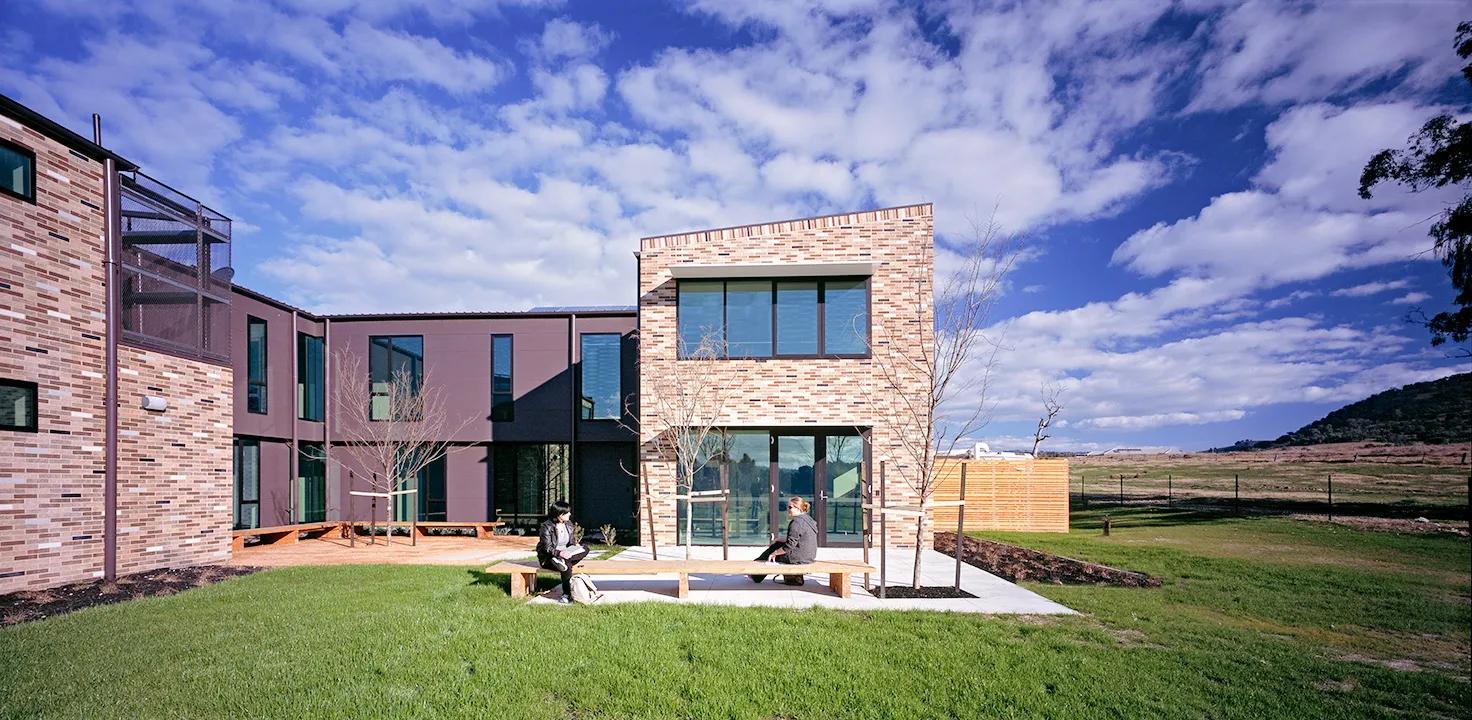
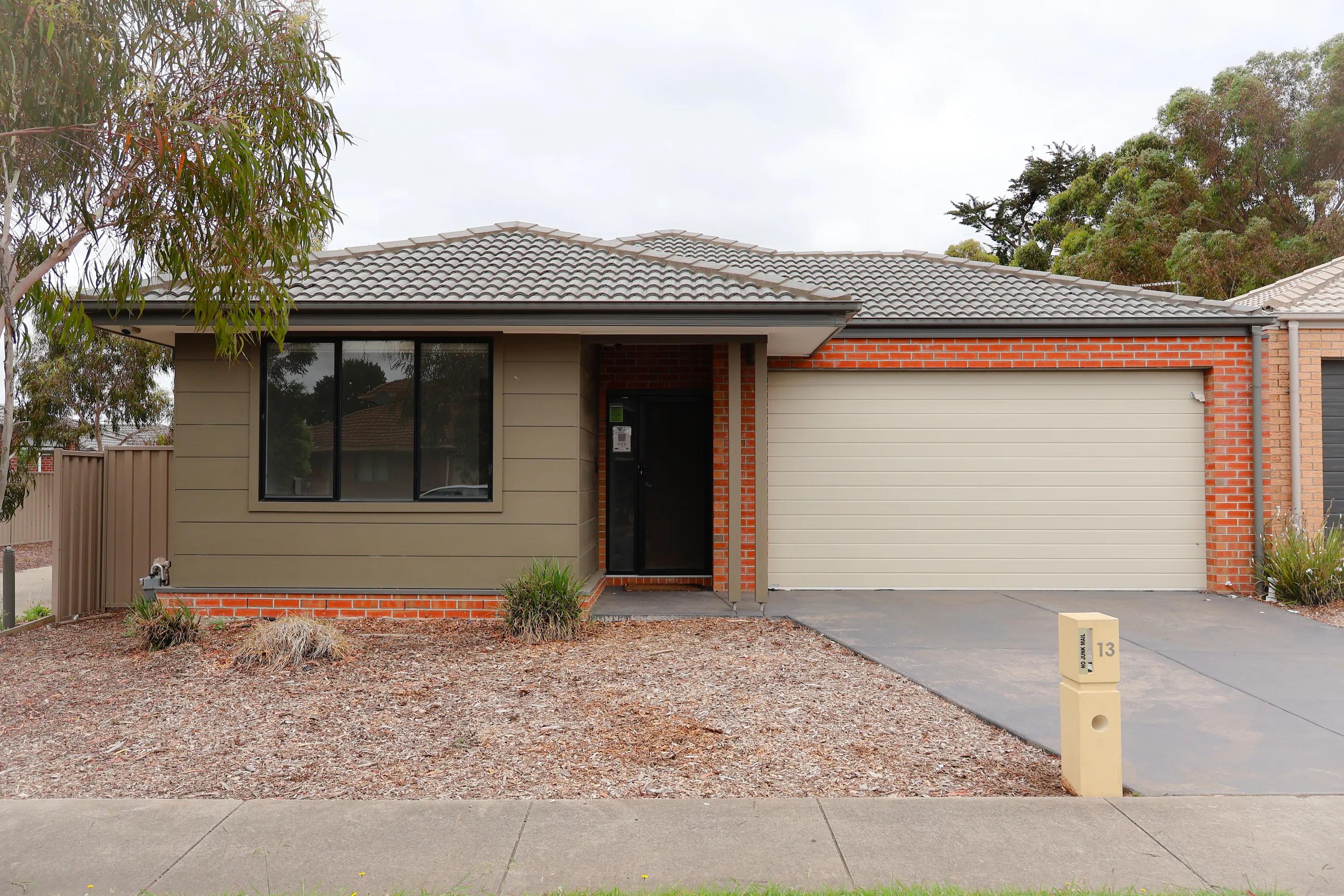
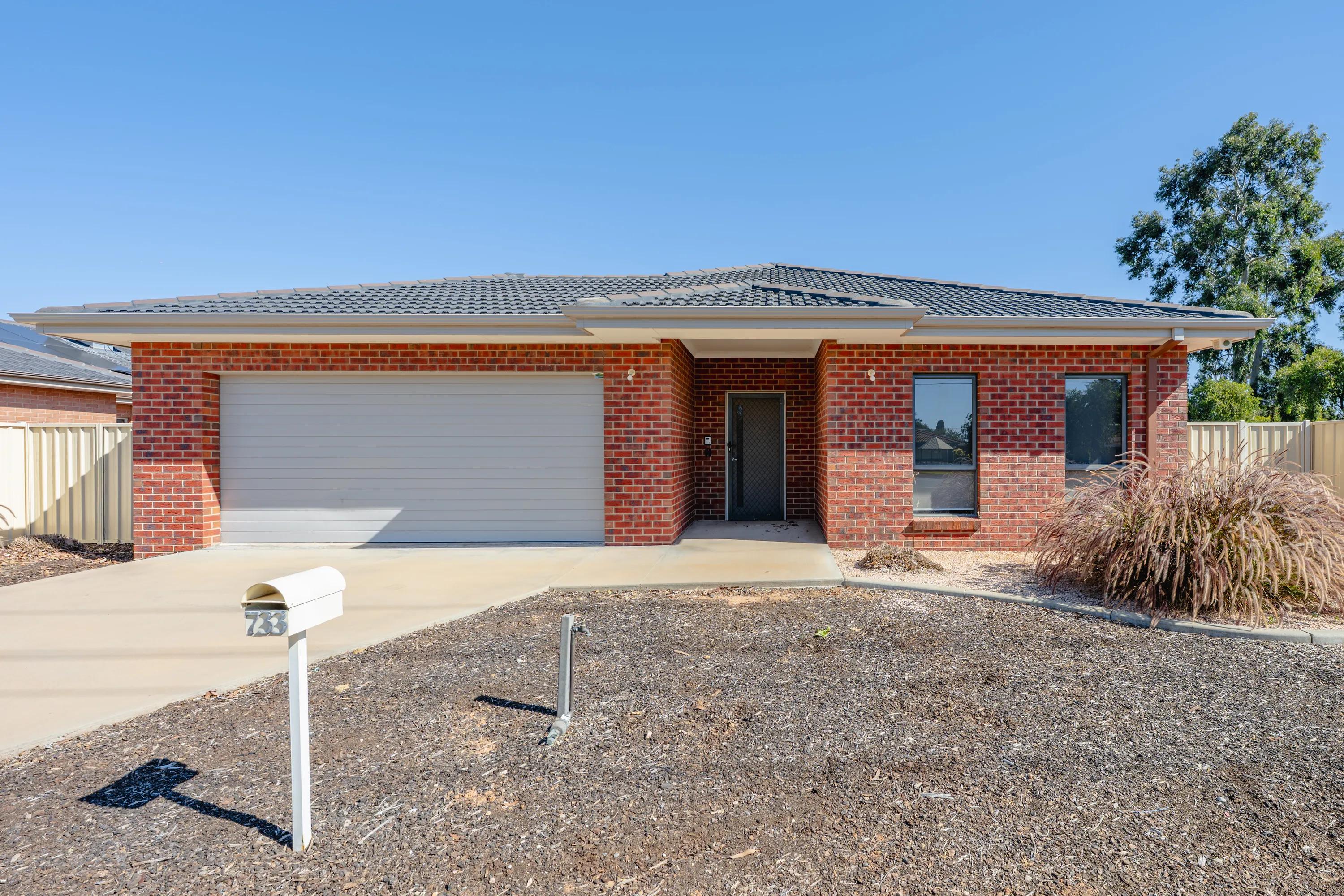
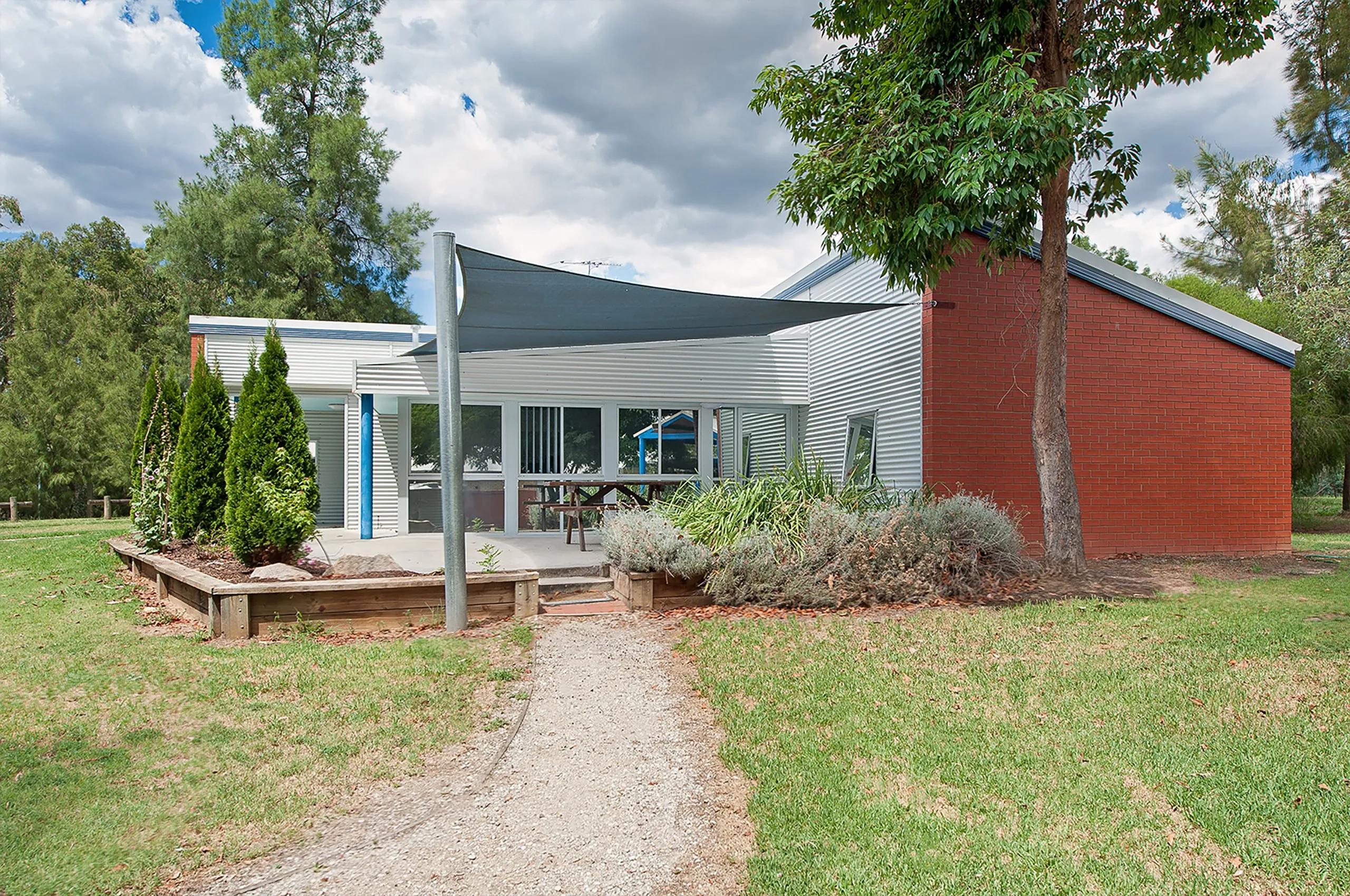
Student accommodation in Regional Victoria
Country Victoria. Fresh air, clear head.
La Trobe University's regional network spans Victoria's campus towns - from Bendigo and Ballarat to Albury-Wodonga - with room options for placement students and full academic-year residents. Use the finder below to see every UniLodge home in the region.
What student accommodation costs in Regional Victoria
Weekly rents across our Regional Victoria properties start at A$250 (Single Room | Share House at Mildura – Living at La Trobe) and reach A$270 at the top of the range. The prices on the tiles above are the current published weekly rates.
At our purpose-built student properties the weekly rent covers electricity, water and Wi-Fi in one payment, so there are no separate utility accounts to set up or split with housemates.
Where you’ll study in Regional Victoria
Our Regional Victoria homes serve La Trobe University, with rooms in Wodonga, Ballarat and Mildura. Every property page lists its apartment types and current weekly prices.
Top reasons to stay with us
One weekly payment
Simple weekly rent, no surprise add-ons
Dedicated onsite support teams
Real people in the building, every day
Book from overseas
Secure your room before you fly
UniLodge-managed
Verified apartments, no third-party surprises
Good to know about Regional Victoria
Yes. Across UniLodge homes, electricity, water and Wi-Fi are covered by your weekly rent - one payment, no surprises.
Yes. You can apply and secure a room from anywhere and move straight in when you land.
Albury-Wodonga uses the Australian dollar (AUD). Cards and contactless payments are widely accepted, with cash still useful for some markets and smaller businesses.
Local buses connect major areas on both sides of the Murray River, while walking and cycling are practical for many shorter journeys. Because the region crosses the NSW-Victoria border, students should check which state's services and rules apply to their destination.
Albury-Wodonga can offer a lower-cost lifestyle than Sydney or Melbourne, although rent varies by suburb and accommodation type. A useful starting budget is around AUD 350–550 or more per week depending on housing and lifestyle.
The region experiences warm to hot summers and cool winters, with noticeable seasonal variation. Students should bring layers and prepare for both hot summer days and cold winter mornings.
Students can explore the Murray River, Lake Hume, parks, regional food and wine areas and nearby nature reserves. The region also provides opportunities for cycling, hiking and weekend trips into the Victorian High Country and surrounding areas.
Eligible Australian Student visa holders can generally work up to 48 hours per fortnight while their course is in session and generally unlimited hours during scheduled course breaks. Regional employers may offer opportunities in retail, hospitality, healthcare, agriculture and local services.
Students can use GP clinics, medical centres and hospitals in the Albury-Wodonga area. Check your OSHC policy and the clinic's payment arrangements before attending an appointment.
Major supermarkets and shopping centres provide everyday groceries and household essentials. Local produce stores and regional markets can also be useful. Students can reduce costs by planning meals and comparing supermarket specials.
Albury is an important regional transport hub between Sydney and Melbourne. Students can use regional trains, coaches and domestic flights for longer journeys. Because Albury-Wodonga sits on a state border, check the transport provider and timetable for each trip.
Albury-Wodonga offers a regional lifestyle with access to universities, outdoor recreation, the Murray River and major cities by road, rail and air. It can suit students looking for a smaller community and potentially lower living costs than Australia's largest capitals.
Ballarat uses the Australian dollar (AUD). Contactless cards are widely accepted, although carrying a small amount of cash can be useful for markets and smaller businesses.
Ballarat has local buses and regional train connections, with walking and cycling useful for shorter trips. Check the location of your campus and accommodation carefully because the best transport option depends on where you live.
Ballarat can be more affordable than Melbourne, particularly for shared accommodation, although prices vary. A useful starting budget is around AUD 350–550 or more per week. Cooking at home and sharing housing are effective ways to control costs.
Ballarat has a cooler climate than many Australian cities, with cold winters and mild to warm summers. Students should bring warm layers, waterproof outerwear and suitable footwear for winter conditions.
Sovereign Hill is one of Ballarat's best-known attractions, while the city also has the Art Gallery of Ballarat, Lake Wendouree, historic buildings and surrounding regional attractions. Students can also explore nearby wineries and nature areas.
Eligible Australian Student visa holders can generally work up to 48 hours per fortnight while their course is in session and generally unlimited hours during scheduled course breaks. Retail, hospitality, healthcare and local services can offer part-time employment.
Students can use GP clinics, medical centres and hospital services in Ballarat. Check your OSHC policy before making an appointment because fees and rebates vary between providers.
Major supermarkets and shopping centres provide everyday groceries and essentials, while local markets can offer fresh produce. Discount retailers are useful for bedding, kitchenware and household supplies when moving into accommodation.
Ballarat is connected to Melbourne by regional train services. This makes occasional trips to Melbourne possible without owning a car, although students should allow substantially more travel time than they would for a local city journey.
Ballarat offers a historic regional-city environment, access to education, relatively manageable living costs and rail connections to Melbourne. It can appeal to students who prefer a quieter community and cooler climate than Australia's larger capitals.
Mildura uses the Australian dollar (AUD). Cards and contactless payments are widely accepted, while cash can still be useful at some markets and smaller businesses.
Mildura has local bus services, walking, cycling and rideshare options. Because it is a regional city, students should consider the distance between accommodation, campus, shops and employment when choosing where to live.
Mildura can offer a relatively manageable cost of living compared with Melbourne, although accommodation and food prices vary. A useful starting budget is around AUD 350–550 or more per week depending on rent and lifestyle.
Mildura has a warm, dry climate with hot summers and cooler winters. Summer temperatures can be very high, so students should prioritise hydration, sunscreen, hats and shade when spending time outdoors.
Mildura is known for the Murray River, surrounding vineyards, food production and outdoor activities. Students can explore riverfront areas, local markets, regional wineries and nearby natural attractions.
Eligible Australian Student visa holders can generally work up to 48 hours per fortnight while their course is in session and generally unlimited hours during scheduled course breaks. Agriculture, hospitality, retail and local services may provide employment opportunities depending on the season.
Mildura has GP clinics, medical centres and hospital services. International students should check their OSHC policy and whether the clinic offers direct billing or requires payment followed by a claim.
Major supermarkets, local produce shops and markets provide everyday groceries. Mildura's agricultural region means students can find a wide range of locally produced fruit and vegetables, particularly when buying seasonal produce.
The Murray River is central to Mildura's lifestyle, with opportunities for walking, cycling, boating and riverside recreation. Students should follow local water-safety advice and take sun protection seriously during warmer months.
Mildura provides a smaller regional-city lifestyle, warm climate, lower-density living and access to the Murray River and surrounding agricultural region. It can suit students who prefer a community environment away from a major capital city.